
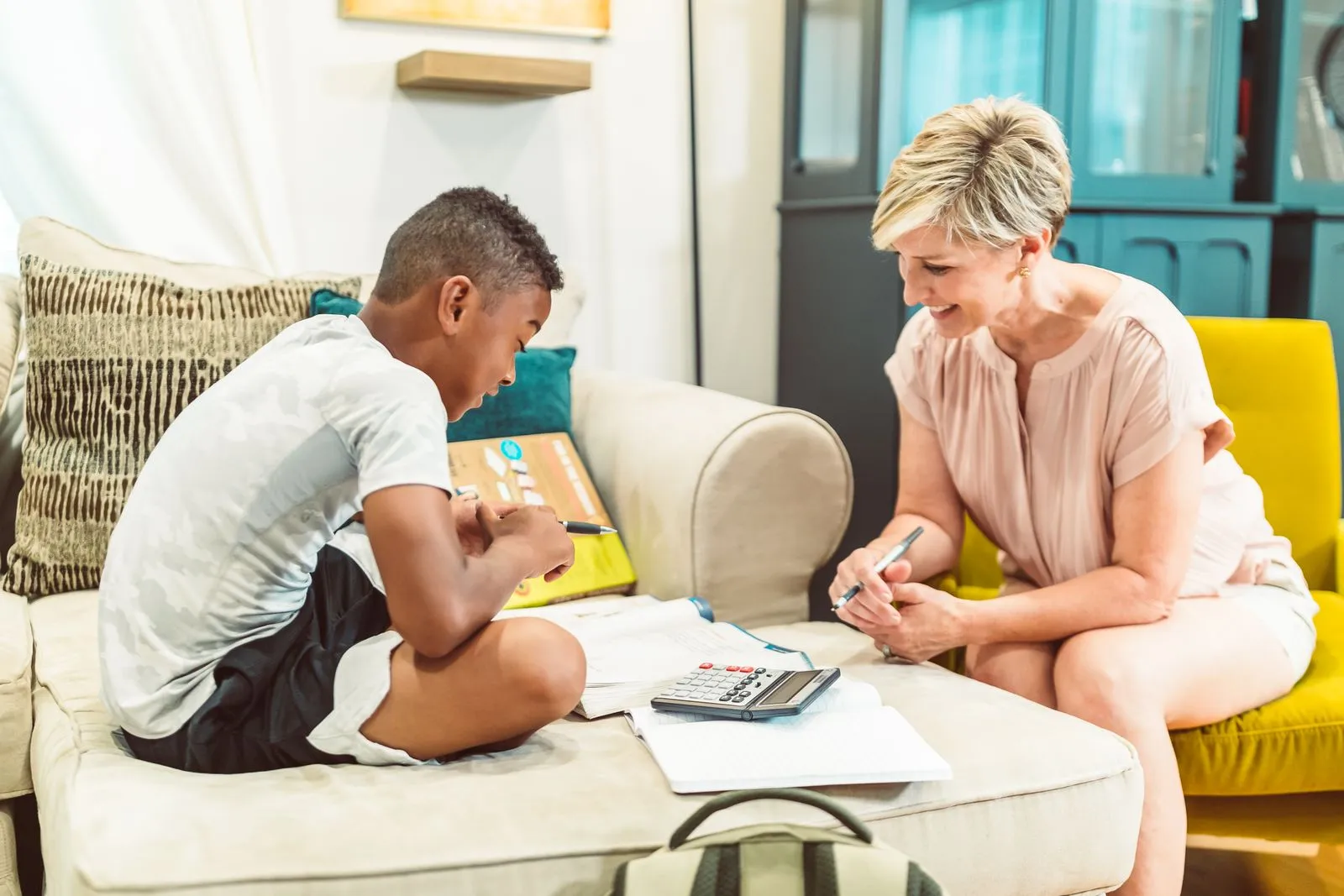
Number sense is a child’s ability to understand how numbers work and relate to one another. It grows through more than worksheets or memorized procedures: children need chances to count real objects, compare quantities, and make sensible estimates. These habits help them notice patterns, check whether an answer makes sense, and choose useful strategies when a problem is unfamiliar. Families can support this learning with simple activities during play, meals, shopping, and other everyday routines.
Count With Meaning
When children count, help them connect each number word to one object. They can touch or move items as they count, then answer, “How many are there?” This last question matters: it helps children understand that the final number said represents the total, rather than treating counting as a sequence of words to recite.
Use different objects and arrangements so children learn that a quantity stays the same when items are spread out or grouped differently. Count blocks, steps, fruit, or toys, then recount in a new order. Ask your child to explain how they kept track. If they lose count, offer a strategy such as lining items up or moving each counted object aside.
Compare Quantities and Numbers
Comparing helps children see relationships, not just individual number names. Put two small groups of objects side by side and ask which has more, which has fewer, or whether the groups are equal. A child can match objects one to one to check. For written numbers, ask which is greater and invite them to show how they know.
Use comparison language in everyday situations: “Which plate has fewer crackers?” or “Do we have enough cups for everyone?” Encourage a reason, even if it is brief. Children may count, match items, or recognize a familiar quantity. These explanations reveal their thinking and give you a chance to correct misunderstandings without turning the moment into a test.
Estimate Before You Count
Estimation teaches children to make a reasonable guess and then check it. Show a small collection of objects and ask, “About how many do you think there are?” Invite a range rather than demanding an exact answer. Afterward, count together and discuss whether the estimate was close. The goal is to make a thoughtful prediction, not to guess perfectly.
For larger amounts, provide a familiar reference point. A child might estimate how many blocks fit in a container by first looking at a smaller group of blocks. Ask what clues they used, such as the size of the container or how densely the objects are packed. Comparing the estimate with the counted result helps children adjust their judgment over time.
Build Flexible Number Thinking
Ask children to show a number in more than one way. For example, they can represent a number with fingers, counters, a drawing, or two groups combined. They might also describe a number as one more than another or as two smaller groups. These connections help children understand that numbers can be composed and separated, rather than treated as isolated symbols.
When a child solves a problem, ask, “How did you work that out?” or “Can you show another way?” Accept strategies that make sense, even when they differ from the method taught in class. If the answer seems off, return to objects or a drawing and check the quantities together. A tutor can also help identify which number ideas need more practice.
Strong number sense develops through brief, repeated chances to count carefully, compare quantities, estimate, and explain a strategy. Keep activities relaxed and connect them to things your child can see and handle. If your child would benefit from focused support, Melbourne Math Tutor can help you explore practical next steps for building confidence with numbers.